We are the only Australian organisation saving endangered wild cat species!
Practical, outcome-based conservation
Our small though dedicated team play a vital role in wild cat conservation, supported by collaborative partners, sponsors and our wild cat community.
We pride ourselves on pioneering the highest possible welfare and ethical goals for the animals in our care, aiming for excellence, understanding the privilege it is to help save these species.
Key Achievements
Insurance Breeding Programs
Why insurance populations matter!
The wild cat species that inhabit our planet are beautiful, unique and, under threat.
Wild cats are disappearing at unprecedented rates from habitat loss, human-wildlife conflict and illegal hunting.
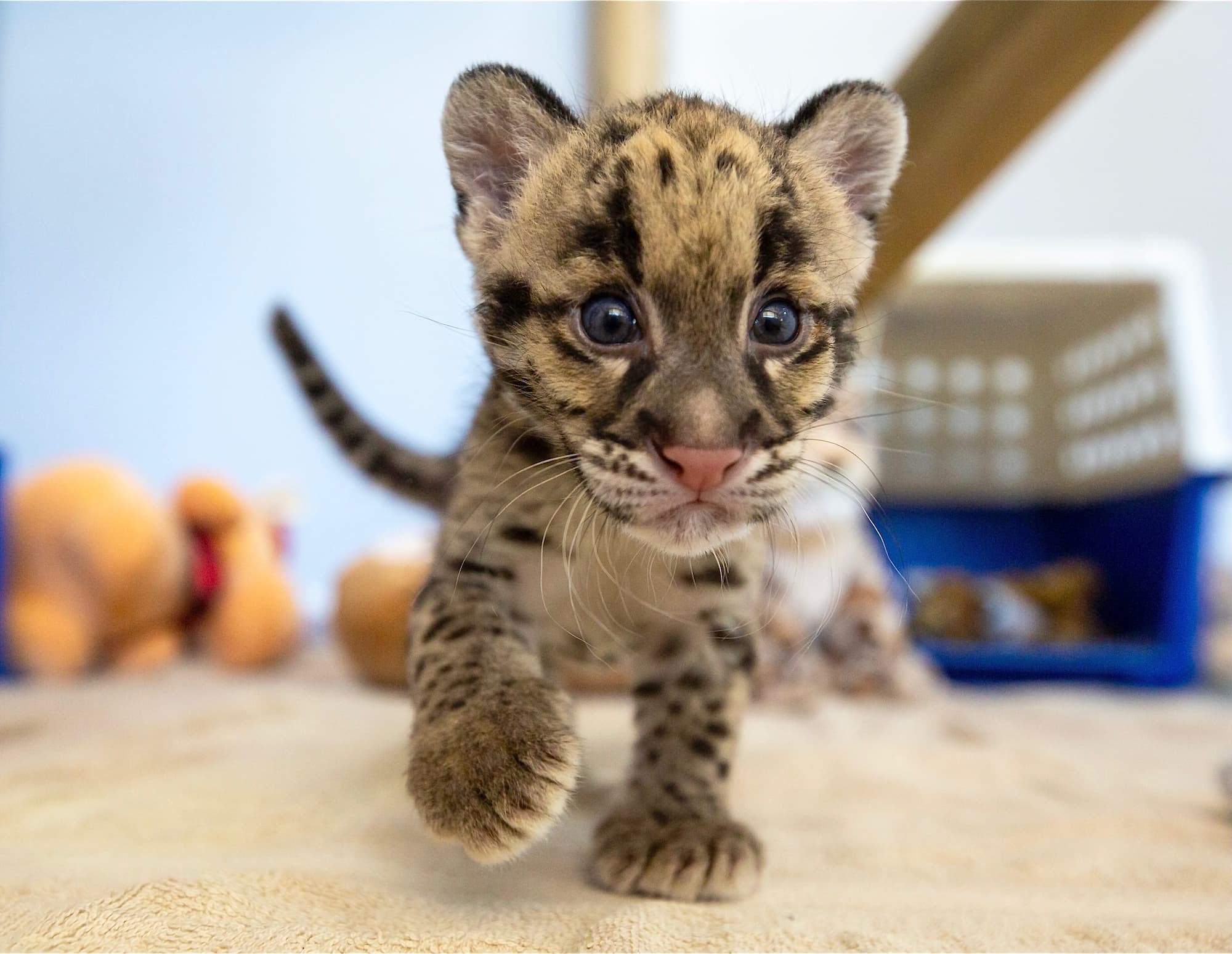
Of the 40 species of wild cats in the world, 33 are smaller wild cats like the serval, caracal and fishing cat. Yet 99% of the international funds raised for wild cat conservation are directed to the seven big cat species, leaving just 1% for small wild cats.
Given 12 of the world’s 18 most threatened wild cats are small cat species, the numbers just don’t add up.
With limited knowledge and so few conservation funds or research programs anywhere in the world to support them, small wild cats are rapidly racing to extinction.
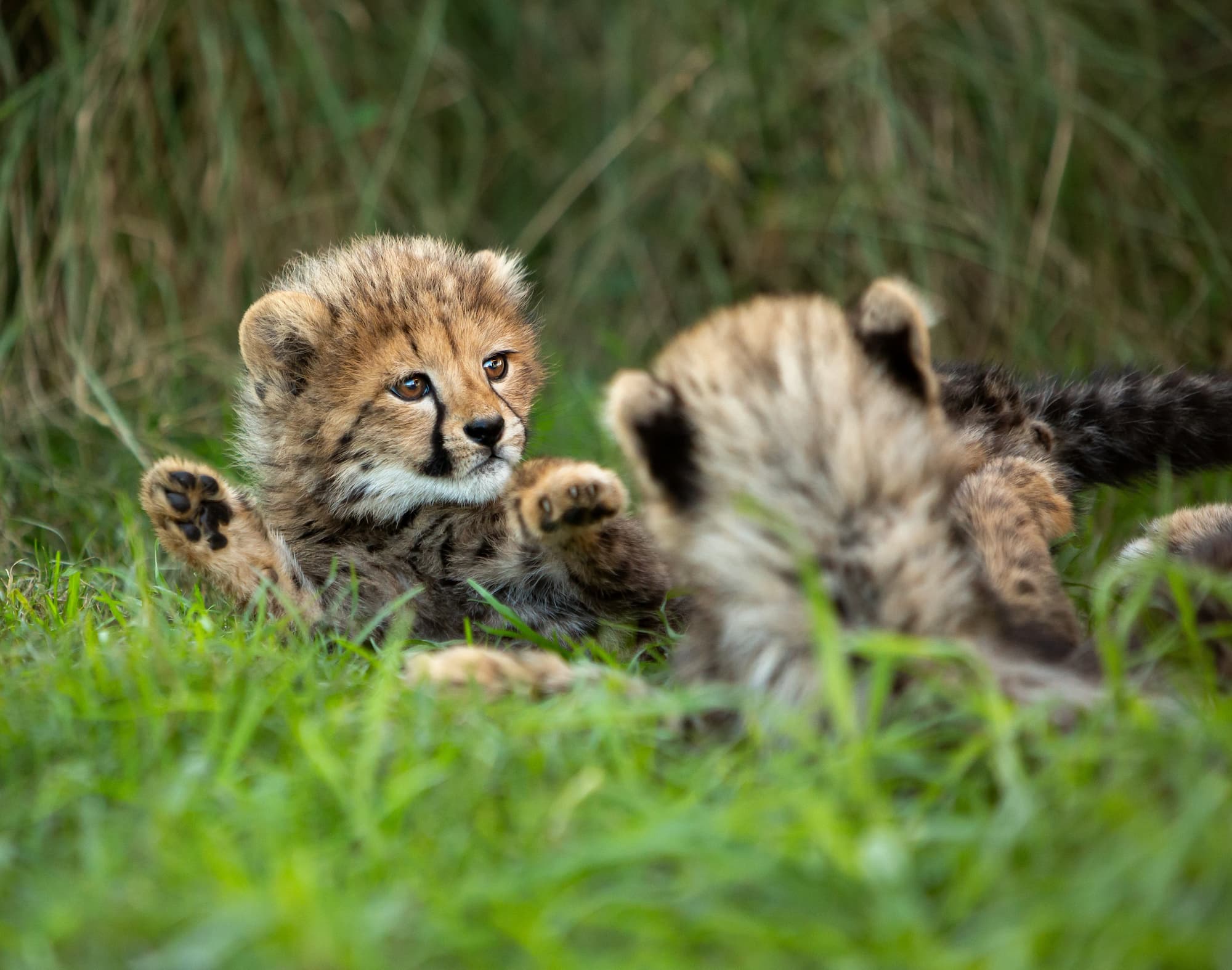
Our insurance populations are a lifeline, our breeding programs safeguard endangered wild cat species by creating secure, genetically diverse populations that act as an ‘insurance policy’ against extinction. Our cheetah rewilding program is carefully managed to strengthen numbers, protect genetic health, and provide a wild like state where they can thrive.
Wild Cat Conservation Centre provides these cats a fighting chance, not just here at our centre though ultimately back in the wild.
Rewilding
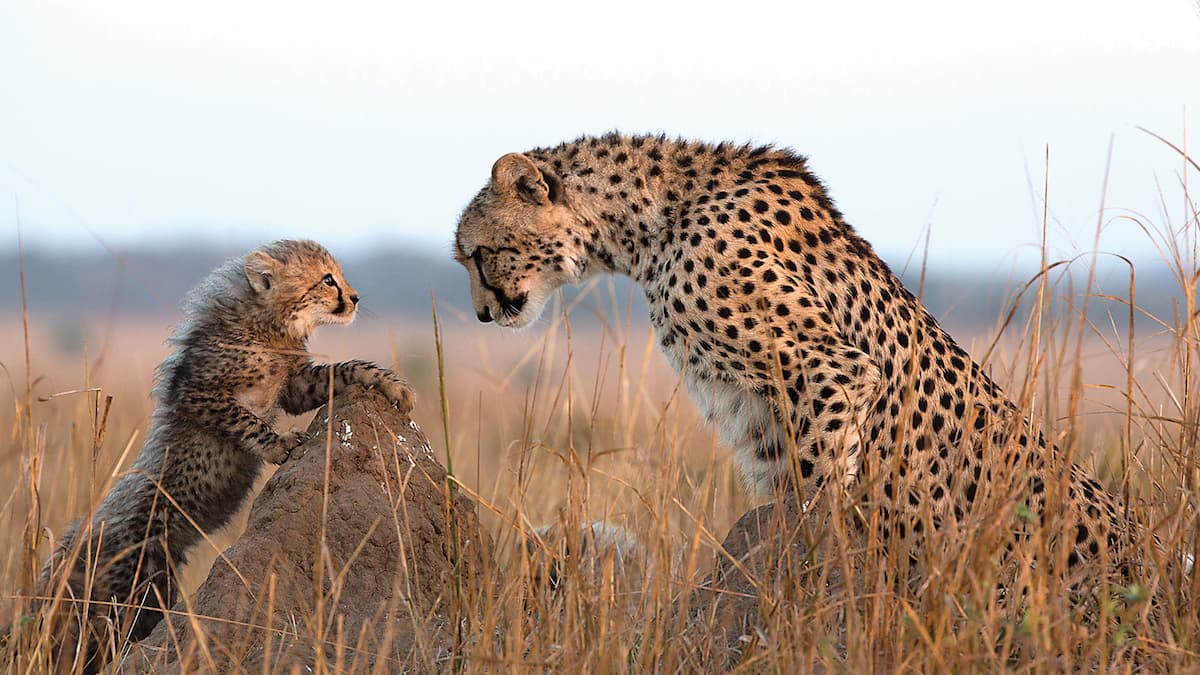
With only an estimated 6700 adult individuals remaining as five recognised subspecies across Africa and Asia, cheetahs are considered ‘vulnerable’ under the “International Union for the Conservation of Nature” (IUCN).
Now confined to just 9% of their historical home range, 77% of which occurs outside formally protected areas, cheetah face a variety of threats, including habitat loss, poaching and human-wildlife conflict.
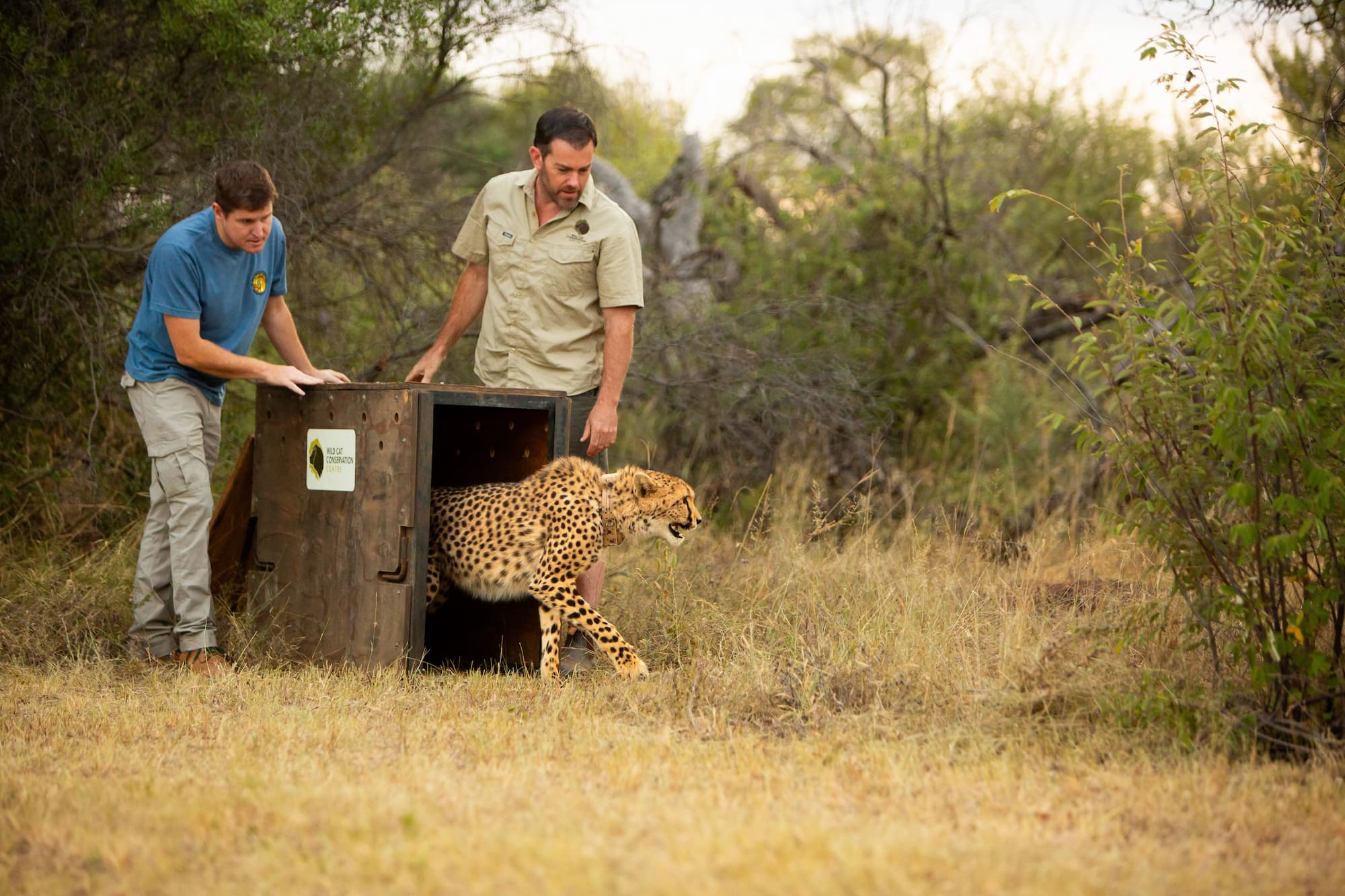
Rewilding is important for many reasons. It helps rebuild ecosystem diversity, structure and resilience. The Wild Cat Conservation Centre, in partnership with the Cheetah Metapopulation Project, are working to safeguard the species through insurance breeding and rewilding programs.
Captive cheetah possess alleles that are not represented in the free-ranging cheetah population. For this reason, our genetically diverse cheetah become vital additions to the metapopulation as a source of unrelated genetics for infusion into the project.
Rewilding projects like this provide tangible, long term outcomes for declining species.
Allowing us to infuse our genetics into the remaining wild populations, to strengthen and repopulate areas where wild cats have been removed from through human interference. We are proud to be the only organisation in Australia undertaking this vital conservation work.
Cubs born at our centre spend their first 14 to 16 months onsite being cared for by their mother and our conservation team. During this time, our team can assess their personalities and importantly their suitability for rewilding, ensuring they develop both physically and mentally into independent young cats.
The unique design of our centre allows us to undertake conservation work not being carried out by anyone else in Australia. Our savanna is the largest cheetah habitat in Australia and provides a wild like state for our cheetah and other small cats to explore, this replicates wild conditions and allows our cats to grow into independent, smart and confident animals suitable for release.
We work closely with our international conservation partners to facilitate the rewilding and release of cats as well as helping to conserve the remaining wild populations and their habitats.
NEW HOSTED TRIPS ANNOUNCED FOR 2026!
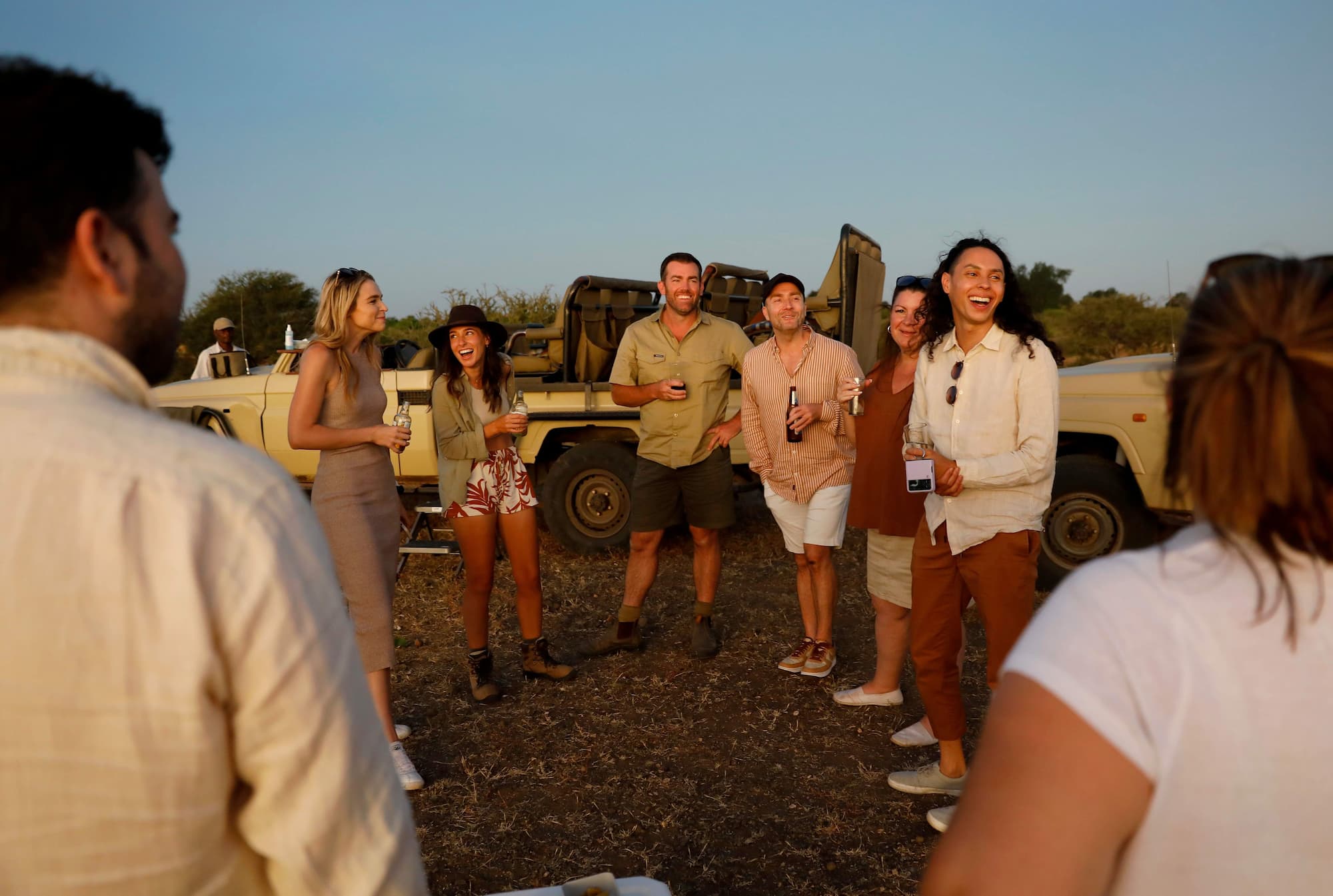
Our hosted trips are for those of you who wish to travel to Africa with a trusted guide, love wild cats and want to help conserve them.
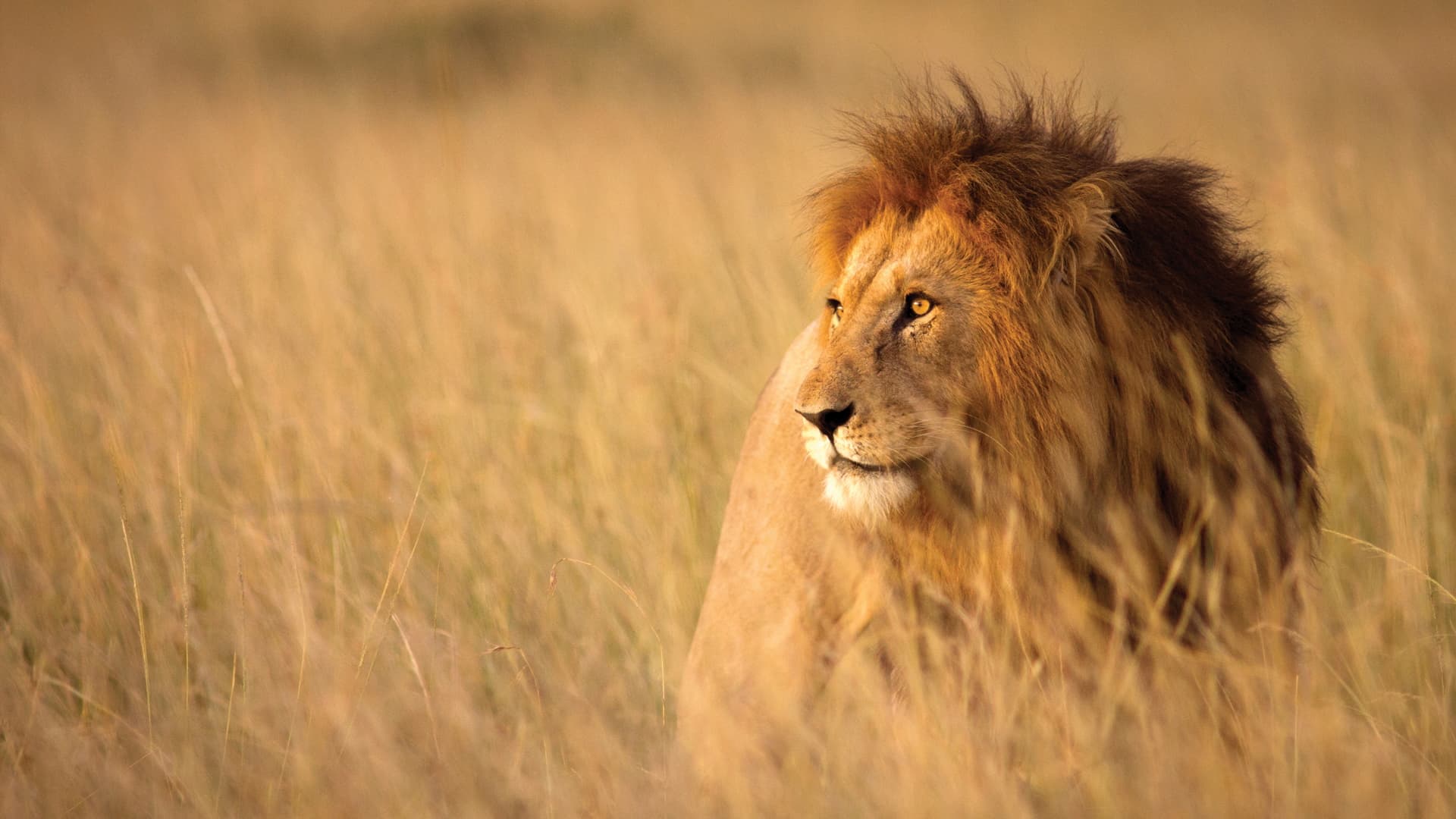
Botswana Big Cats Trip – May 2026
Join Wild Cat Conservation Centre founder, Ben Britton, on the African savanna and immerse yourself in the heart of big cat country. With a career spanning two decades working with creatures big and small, exploring the world with National Geographic, and conserving wild cats, Ben is an expert on all thing’s cats.
Starting at the beautiful Mohave Bush Camp in the Northern Tuli Game Reserve, you will spend 3 days with Ben learning about wildlife conservation in Africa. You will be on foot, immersed in the African wilderness, in the heart of big cat territory!
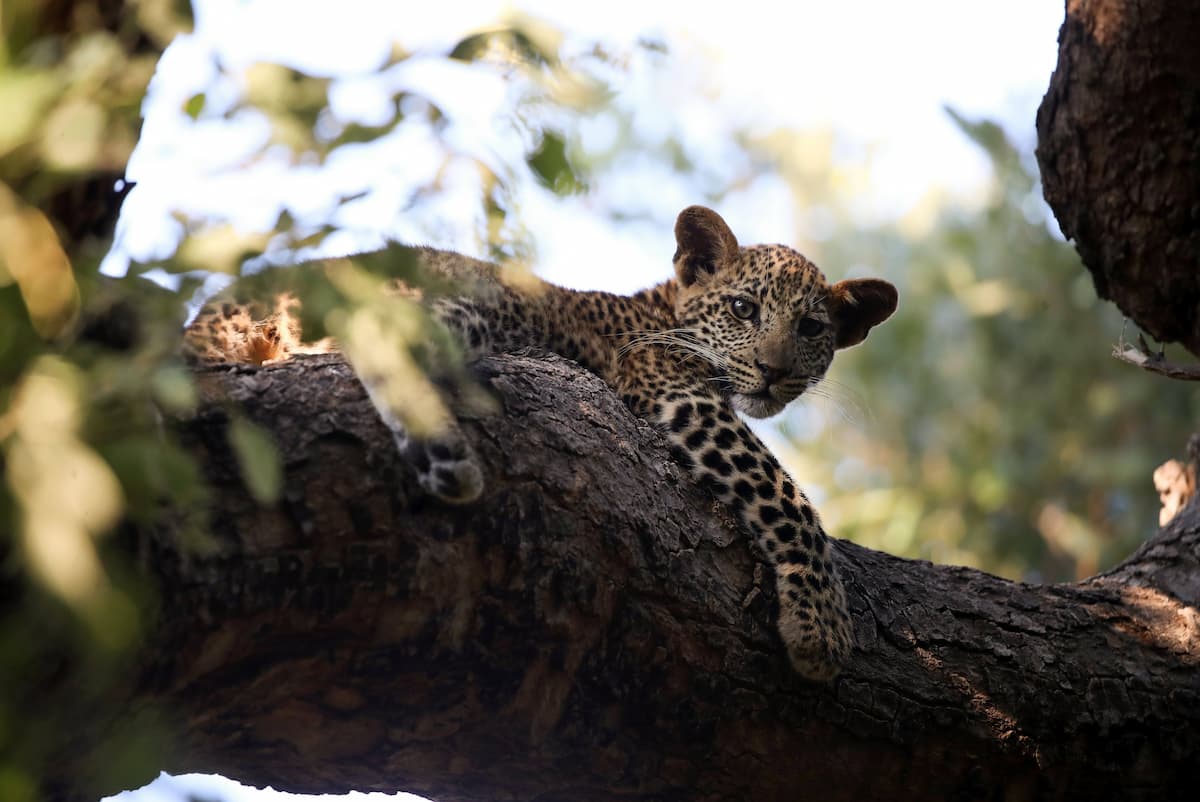
Whether it be carrying out field observations at a Spotted Hyena den, tracking animals on foot, setting up trail cameras or spending the late afternoon searching for the elusive leopard or caracal, this trip has a little bit of everything!
You’ll then transfer to Mashatu Game Reserve, widely regarded as one of the best locations in Africa to view big cats with twice daily game drives to view these amazing cats up close! Ben has been visiting and working at Mashatu for over 15 years and calls it his second home. He will share his experiences with the group and provide firsthand insights to the challenges in conserving wild cats in Botswana.
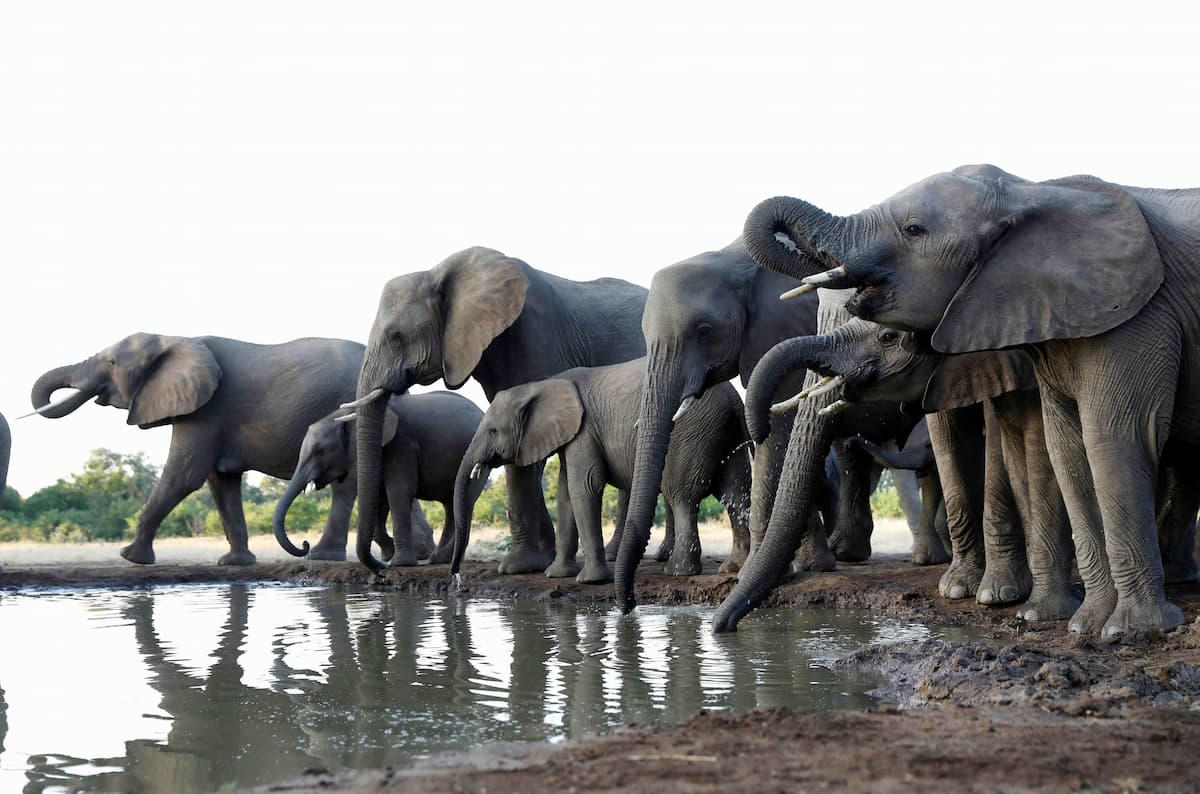
Mashatu is also home to elephants, giraffes, zebra and much, much more! A perfect introduction to life in one of Botswana’s most unique locations.
The tour is capped at only 8 guests, ensuring a uniquely intimate experience. Don’t miss out, secure your spot today!
Cheetah and Wildlife Conservation Trip – September 2026
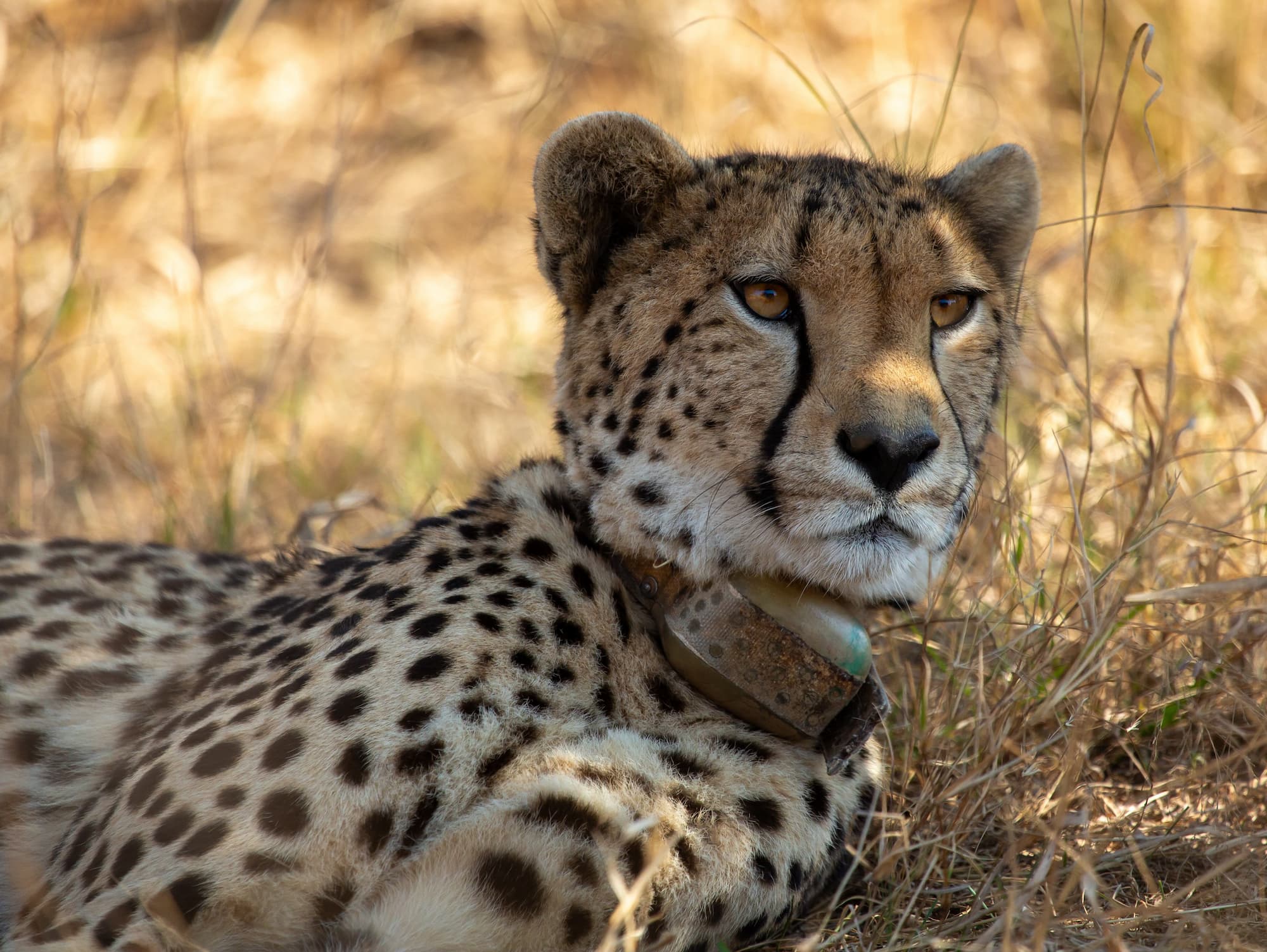
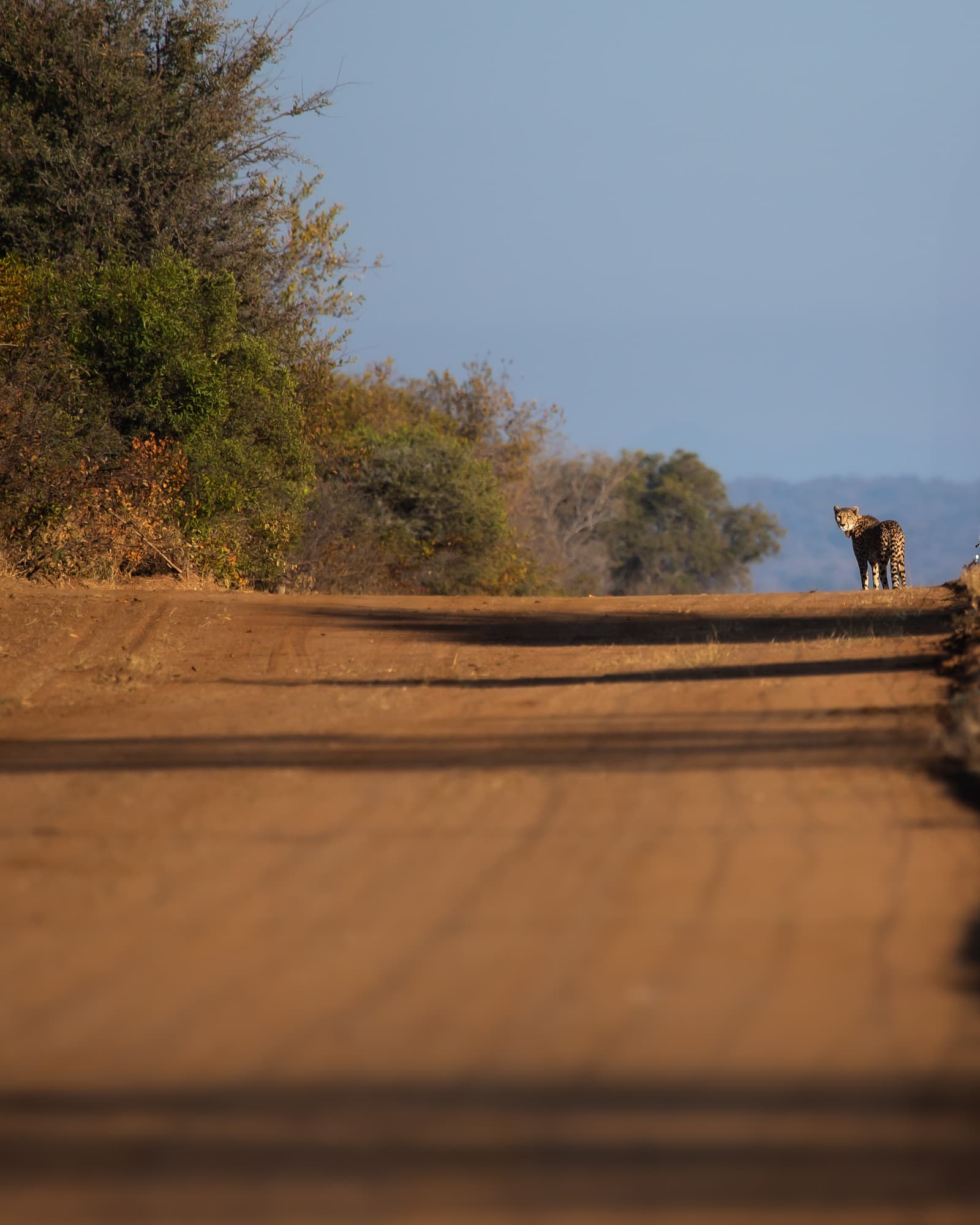
Ben will lead a small group of 8 guests to visit Edie our rewilded cheetah at Mziki Private Game Reserve in South Africa before travelling to Phinda Private Game Reserve to learn more about cheetah conservation and the work being done by WCCC and our conservation partners to prevent the extinction of this beautiful cat.
These hosted trips allow the opportunity for our supporters to spend quality time with our directors learning about wild cat conservation whilst at the same time visiting and viewing wild cats in their natural habitat, knowing that monies raised from these trips goes directly to conserving wild cats!
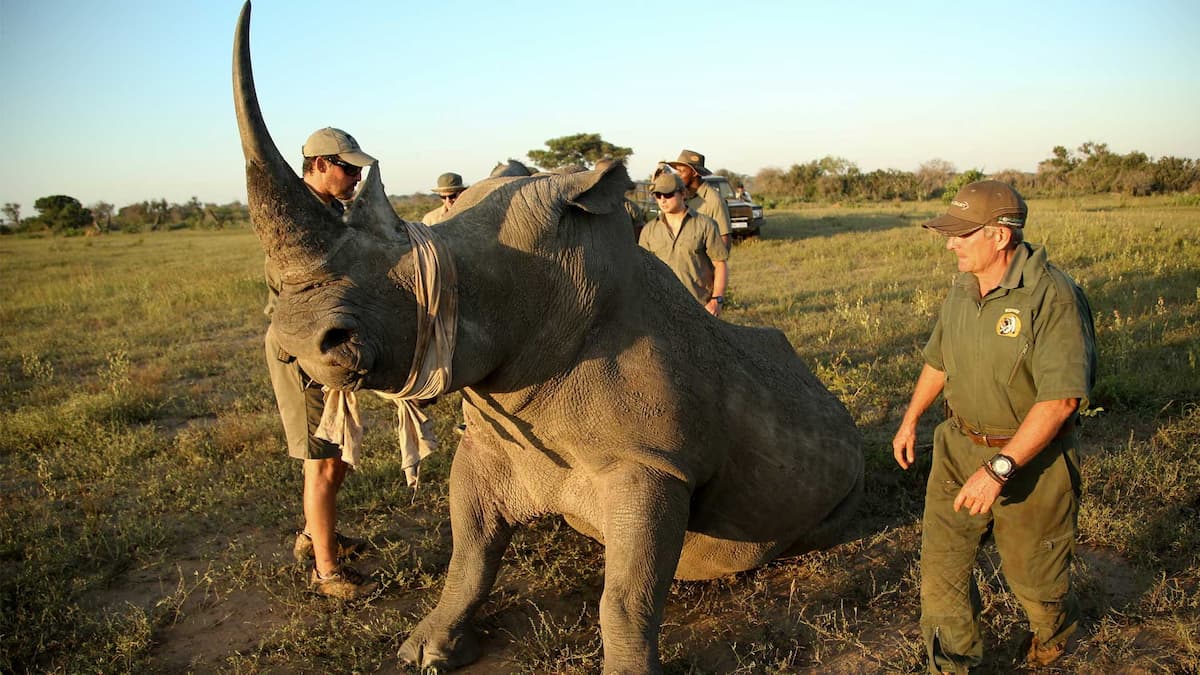
Learn first-hand the work involved in rewilding cheetah and take part in other wildlife conservation projects including white rhino and pangolin.
This trip is not to missed, guests being able to view Edie, our cub born here at the centre now living as a wild cheetah in Africa! A conservation success story!
Both tours are capped at only 8 guests, ensuring a uniquely intimate experience. Don’t miss out, secure your spot today!
To obtain an itinerary for either trip or book a spot please email: soula@africantravel.com.au